Programação
Congresso LBE 2026
.
Sala 1
Sala 2
Sala 3
08h00 às 09h00
Sala 1
Conferência Magna
08h00-08h40
Estimulação cerebral em Epilepsia
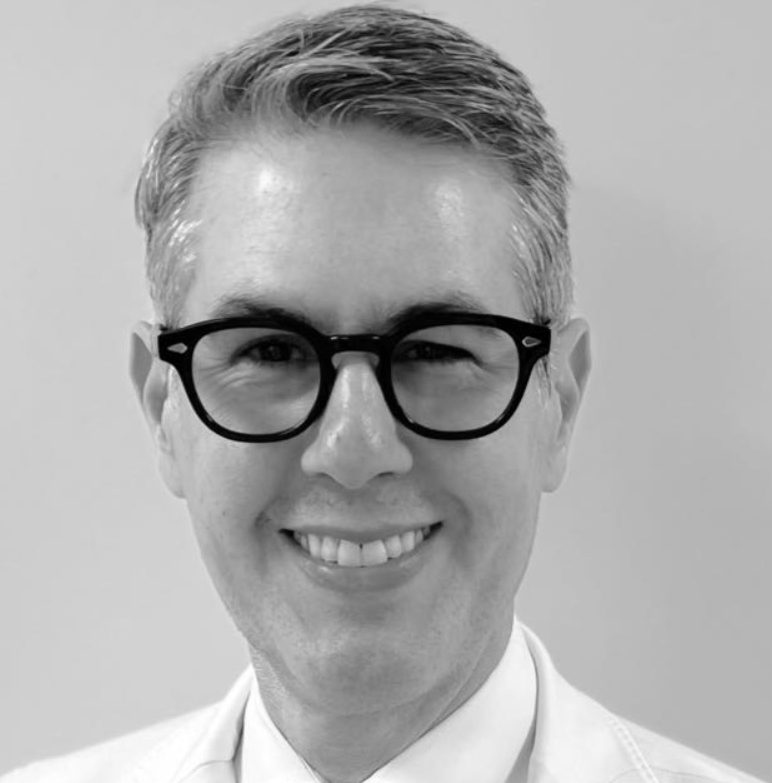
Jorge Martinez (EUA)
Dr. Jorge A. González-Martínez, MD, PhD, MHCM, is a Professor of Neurological Surgery, Neurology, and Neurobiology at the University of Pittsburgh and Vice Chair of the Department of Neurological Surgery. He serves as Director of the Epilepsy and Movement Disorders Division and leads the Cortical Systems Laboratory. Internationally recognized for his work in epilepsy surgery, stereoelectroencephalography (SEEG), and neuromodulation, his research focuses on thalamocortical networks, personalized brain stimulation, and translational neuroengineering. Dr. González-Martínez has authored more than 350 peer-reviewed publications in leading journals including Nature Communications, Brain, Lancet Neurology, and Nature Neuroscience. He has pioneered innovative approaches in network-guided epilepsy surgery and deep brain stimulation, bridging clinical neuroscience, engineering, and computational
08h40-09h00
Discussão
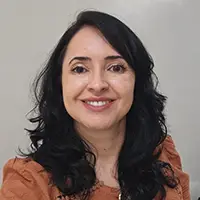
Ana Paula Gonçalves (MG)
Profa. adjunta da Faculdade de Medicina da Universidade Federal de Minas Gerais (UFMG). Mestre e doutora em neurociências pela UFMG. Neurologista titular da Academia Brasileira de Neurologia(ABN), atual membro da comissão de ensino da ABN, titular da Sociedade Brasileira de Neurofisiologia Clínica (SBNC). Trabalha nos centros de tratamento de epilpsias farmacorresistentes do Hospital das Clinicas da UFMG e do Nate – Núcleo Avançado do Tratamento das Epilepsias do Hospital Felício Rocho.
Sala 3
SIMPÓSIO
The many faces of Stereo-ElectroEncephaloGraphy (SEEG)- PMT/Orthoneuro
IN SEARCH OF THE EPILEPTOGENIC ZONE: HOW TO INTEPRET SEEG DATA (continued)
8:15-8:35
Is stimulation a reliable tool to define the what-to-remove area?
Use of stimulation for evaluating excitability threshold and eliciting seizures, including interpretation and limitations.
Birgit Frauscher (França)
.
09h00 às 10h15
Sala 1
Mesa redonda
EPILEPSIA E PSIQUIATRIA
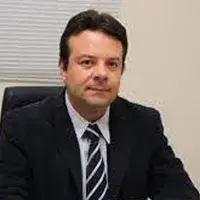
Moderador: Gerardo de Araújo Filho (SP)
Médico Psiquiatra, Residência Médica em Psiquiatria (2002-2004) e em Psicogeriatria (2004-2005) pela Universidade Federal de São Paulo (UNIFESP). Mestre e Doutor em Neurociências, com Pós-Doutorado em Psiquiatria pela UNIFESP. Livre Docente pelo Departamento de Psiquiatria da UNIFESP (2024). Tem experiência na área de Medicina (Psiquiatria e Neurociências), atuando principalmente nos seguintes temas: transtornos psiquiátricos na epilepsia e neuroimagem cerebral dos transtornos psiquiátricos na epilepsia. Atualmente, é Chefe do Departamento de Ciências Neurológicas, Psiquiatria e Psicologia Médica da Faculdade de Medicina de São José do Rio Preto (FAMERP).
09h00 - 09h20
Transtornos psiquiátricos na epilepsia: Fundamentos gerais e bases biológicas e psicossociais
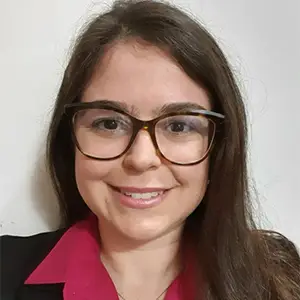
Nathália Figueiredo (SP)
Neurologista com título de especialista pela Academia Brasileira de Neurologia (ABN) e membro titular da ABN. Título de especialista com área de atuação em Neurofisiologia Clínica pela Sociedade Brasileira de Neurofisiologia Clínica (SBNC). Doutorado em Neurologia e Neurociências pela Universidade Federal de São Paulo (UNIFESP). Atualmente é vice secretária permanente da Liga Brasileira de Epilepsia (LBE) e é membro da Comissão de Jovens Líderes e Pesquisadores da LBE. Participa do YES (Young Epilepsy Section) – ILAE (International League Against Epilepsy) no Brasil, tendo sido a representante do Brasil no período 2022-2024.
09h20 - 09h40
Rastreio e diagnóstico dos transtornos psiquiátricos na epilepsia
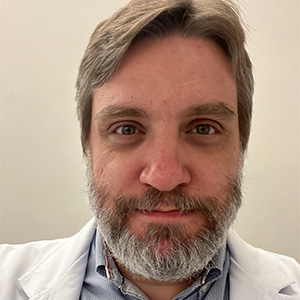
Rudá Alessi (SP)
Médico neurologista responsável pelo ambulatório de Epilepsia da FMABC.
09h40 - 10h00
Tratamento dos transtornos psiquiátricos na epilepsia
Gerardo de Araújo Filho (SP)
Médico Psiquiatra, Residência Médica em Psiquiatria (2002-2004) e em Psicogeriatria (2004-2005) pela Universidade Federal de São Paulo (UNIFESP). Mestre e Doutor em Neurociências, com Pós-Doutorado em Psiquiatria pela UNIFESP. Livre Docente pelo Departamento de Psiquiatria da UNIFESP (2024). Tem experiência na área de Medicina (Psiquiatria e Neurociências), atuando principalmente nos seguintes temas: transtornos psiquiátricos na epilepsia e neuroimagem cerebral dos transtornos psiquiátricos na epilepsia. Atualmente, é Chefe do Departamento de Ciências Neurológicas, Psiquiatria e Psicologia Médica da Faculdade de Medicina de São José do Rio Preto (FAMERP).
10h00 - 10h15
Discussão
Sala 2
Mesa redonda
GENÉTICA E EPILEPSIA

Kette Valente (SP)
Professora Livre Docente da Faculdade de Medicina da Universidade de São Paulo
Chair da Comissão de Epilepsia na Infância da International League Against Epilepsy.
Diretora do Laboratório de Neurofisiologia Clínica do Hospital das Clínicas da Faculdade de Medicina da Universidade de São Paulo.
09h00 - 09h20
Diagnostic GAP of genetic investigation for the epilepsies /(trabalho feito na Comissão de Genética da ILAE).
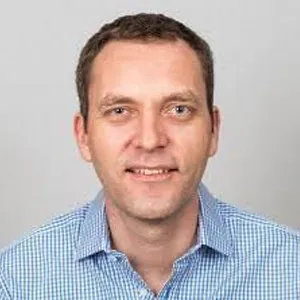
Andreas Brunklaus (Reino Unido)
Professor Andreas Brunklaus, is a consultant paediatric neurologist at the Royal Hospital for Children, Glasgow and honorary professor at the College of Medical, Veterinary and Life Sciences, University of Glasgow. He trained at the Charité Medical School, Humboldt University Berlin, Germany and completed his child neurology training at Great Ormond Street Hospital in London and the Royal Hospital for Children in Glasgow. He obtained his MD from the University of Glasgow and has an ongoing research interest in epilepsy genetics, in particular sodium channel disorders. He is an international expert in SCN1A-related epilepsies and Dravet syndrome and is the author of several key publications. He leads international research collaborations developing novel diagnostic tools in epilepsy genetics and is the UK chief investigator for “SCN1A Horizons – A natural history study of SCN1A-related epilepsies in the United Kingdom”. He is lead of the Scottish Paediatric Epilepsy Network, has numerous national and international advisory board positions, is chair of the International League Against Epilepsy (ILAE) Genetics Commission and editorial board member of the European Journal of Paediatric Neurology.
09h20 - 09h40
Como fazer a investigação genética das epilepsias na prática clínica

Iscia Lopes Cendes (SP)
A Professora Doutora Iscia Lopes-Cendes é médica geneticista e Professora de Genética Médica e Medicina Genômica da UNICAMP, onde lidera o Laboratório de Genética Molecular. Há mais de 30 anos dedica-se ao estudo da genética das epilepsias, integrando pesquisa básica, genômica em larga escala e aplicação clínica no diagnóstico das epilepsias genéticas. Sua trajetória combina a investigação dos mecanismos moleculares das epilepsias focais, das encefalopatias epilépticas e das malformações corticais com a implementação de testes genéticos e de medicina de precisão no contexto assistencial. A professora Iscia é membro da Academia Brasileira de Ciências (ABC), da Academia de Ciências do Estado de São Paulo (ACIESP) e da World Academy of Sciences (TWAS). Integra o Grupo Técnico Consultivo em Genômica da Organização Mundial da Saúde (OMS – TAG-G), a Comissão de Genética e a Força-Tarefa em Terapias de Precisão da Liga Internacional contra a Epilepsia (ILAE), além do Conselho Consultivo da Human Genome Organization (HUGO). A professora mantém atuação clínica no Hospital de Clínicas da UNICAMP, articulando a pesquisa, a formação de especialistas e a atenção à saúde de pacientes com epilepsias genéticas.
09h40 - 10h00
Políticas públicas para doenças raras no Brasil: o que muda para os pacientes com epilepsia genética.
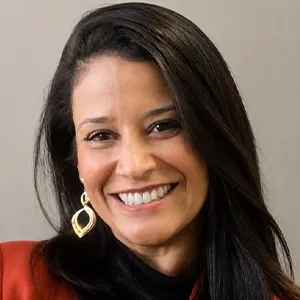
Renata de Paula Faria Rocha (SP)
.
10h00 - 10h15
Discussão
Sala 3
SIMPÓSIO
(continuação)
The many faces of Stereo-ElectroEncephaloGraphy (SEEG)- PMT/Orthoneuro
SEEG AS A WINDOW FOR STUDYING THE BRAIN
8h35-8h55
Stimulating the brain at rest: from phrenology to network perspective
Use of stimulation for mapping brain functions, including interpretation, limitations, and further developments.
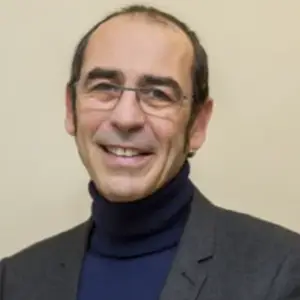
Philippe Kahane (França)
.
8h55-9h15
DISCUSSION (all faculty & participants)
9h15-9h35
Visualizing the brain at work: from static to dynamic view of brain functions
Use of evoked potentials and task-related gamma-band responses to evaluate brain functioning and interference between cognition and epilepsy.
Philippe Kahane (França)
.
9h35-9h55
Recording the brain at sleep: from physiology to pathology
New avenues on sleep architecture, regional variabilities, and changes in epileptic networks in relation to sleep
Birgit Frauscher (França)
.
9h55-10h15
DISCUSSION (all faculty & participants).
10h15 às 10h45
INTERVALO / APRESENTAÇÃO DE POSTER
10h45 às 12h00
Sala 1
Mesa redonda
CRISES FUNCIONAIS
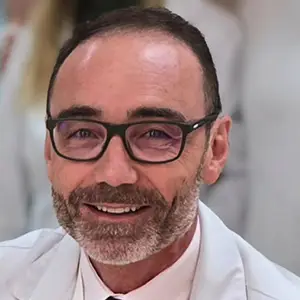
Moderador: Luciano de Paola (PR)
Chefe do Serviço de Epilepsia e Eletroencefalografia
Hospital de Clínicas da Universidade Federal do Paraná
Diretor, EPICENTRO – Centro de Atendimento Integral de Epilepsias
Hospital Nossa Senhora das Graças, Curitiba, PR
10h45 - 11h05
Você não estava lá: pistas e armadilhas na hipótese de crise funcional como primeiro episódio de alteração de consciência
Luciano de Paola (PR)
Chefe do Serviço de Epilepsia e Eletroencefalografia
Hospital de Clínicas da Universidade Federal do Paraná
Diretor, EPICENTRO – Centro de Atendimento Integral de Epilepsias
Hospital Nossa Senhora das Graças, Curitiba, PR
11h05 - 11h25
Aconteceu no seu ambulatório ou enfermaria: Como abordar o "EM não epiléptico"- Dicas do psiquiatra para o neurologista
Gerardo de Araújo Filho (SP)
Médico Psiquiatra, Residência Médica em Psiquiatria (2002-2004) e em Psicogeriatria (2004-2005) pela Universidade Federal de São Paulo (UNIFESP). Mestre e Doutor em Neurociências, com Pós-Doutorado em Psiquiatria pela UNIFESP. Livre Docente pelo Departamento de Psiquiatria da UNIFESP (2024). Tem experiência na área de Medicina (Psiquiatria e Neurociências), atuando principalmente nos seguintes temas: transtornos psiquiátricos na epilepsia e neuroimagem cerebral dos transtornos psiquiátricos na epilepsia. Atualmente, é Chefe do Departamento de Ciências Neurológicas, Psiquiatria e Psicologia Médica da Faculdade de Medicina de São José do Rio Preto (FAMERP).
11h25 - 11h45
Manejo de crises funcionais: atualização dos protocolos e análise de viabilidade no Brasil.
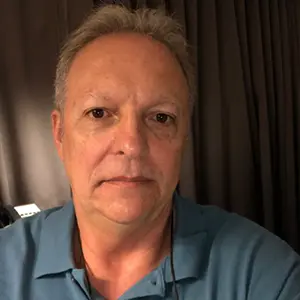
Renato Marchetti (SP)
.
11h45 - 12h00
Discussão
Sala 2
Mesa redonda
NOVAS TECNOLOGIAS EM EPILEPSIA
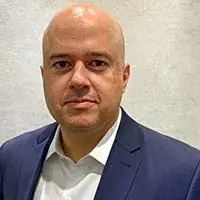
Moderador: Luis Otavio Caboclo (SP)
NEUROLOGISTA E NEUROFISIOLOGISTA CLÍNICO
DOUTOR EM NEUROLOGIA/NEUROCIÊNCIAS PELA UNIFESP
PROFESSOR DE NEUROLOGIA DA FACULDADE ISRAELITA DE CIÊNCIAS DA SAÚDE ALBERT EINSTEIN
GERENTE MÉDICO DO SETOR DE NEUROFISIOLOGIA CLÍNICA DO HOSPITAL ALBERT EINSTEIN
10h45 - 11h05
IA na interpretação do EEG: vamos aposentar os neurofisiologistas?
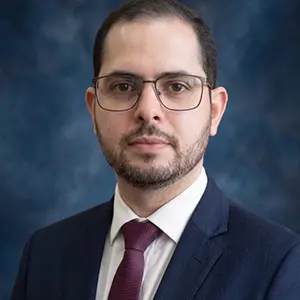
João Brainer (SP)
Neurologista. Professor Adjunto da Universidade Federal de São Paulo, Departamento de Informática em Saúde. Pesquisador Médico do Einstein Hospital Israelita. Pós-doutor em Bioengenharia pelo Instituto Tecnológico de Aeronáutica (ITA).
11h05 - 11h25
Point of Care EEG (Participação On-line)

Fábio Nascimento (USA)
Fábio Nascimento is an Assistant Professor of Neurology at Washington University in St. Louis. Originally from Brazil, he completed medical school at the Universidade Federal do Paraná (UFPR) and then spent two years at the University of Toronto working as a research fellow in epilepsy genetics. Subsequently, he moved to Houston, Texas to train as an adult neurologist at Baylor College of Medicine. Following residency, he completed two years of clinical fellowship training in clinical neurophysiology and epilepsy at the Massachusetts General Hospital-Harvard Medical School. Fábio is passionate about EEG, epilepsy genetics, and medical education.
11h25 - 11h45
SEEG: perspectivas futuras (Participação online)
Jorge Gonzalez Martinez (EUA)
Dr. Jorge A. González-Martínez, MD, PhD, MHCM, is a Professor of Neurological Surgery, Neurology, and Neurobiology at the University of Pittsburgh and Vice Chair of the Department of Neurological Surgery. He serves as Director of the Epilepsy and Movement Disorders Division and leads the Cortical Systems Laboratory. Internationally recognized for his work in epilepsy surgery, stereoelectroencephalography (SEEG), and neuromodulation, his research focuses on thalamocortical networks, personalized brain stimulation, and translational neuroengineering. Dr. González-Martínez has authored more than 350 peer-reviewed publications in leading journals including Nature Communications, Brain, Lancet Neurology, and Nature Neuroscience. He has pioneered innovative approaches in network-guided epilepsy surgery and deep brain stimulation, bridging clinical neuroscience, engineering, and computational
11h45 - 12h00
Discussão
Sala 3
SIMPÓSIO
(continuação)
The many faces of Stereo-ElectroEncephaloGraphy (SEEG)- PMT/Orthoneuro
SESSION 5 – FROM EMU TO THE OPERATIVE ROOM
10h45-11h05
Using SEEG as a therapeutic option
Indications, technique, and role of RFTC as a diagnostic and therapeutic tool.
Jorge Gonzalez Martinez (EUA)
Dr. Jorge A. González-Martínez, MD, PhD, MHCM, is a Professor of Neurological Surgery, Neurology, and Neurobiology at the University of Pittsburgh and Vice Chair of the Department of Neurological Surgery. He serves as Director of the Epilepsy and Movement Disorders Division and leads the Cortical Systems Laboratory. Internationally recognized for his work in epilepsy surgery, stereoelectroencephalography (SEEG), and neuromodulation, his research focuses on thalamocortical networks, personalized brain stimulation, and translational neuroengineering. Dr. González-Martínez has authored more than 350 peer-reviewed publications in leading journals including Nature Communications, Brain, Lancet Neurology, and Nature Neuroscience. He has pioneered innovative approaches in network-guided epilepsy surgery and deep brain stimulation, bridging clinical neuroscience, engineering, and computational
11h05-11h25
Using SEEG to guide neuromodulation
How to integrate SEEG findings into neuromodulation therapy

Arthur Cukiert (SP)
Arthur Cukiert, MD, PhD, Director, Clinica Cukiert, Sao Paulo, Brazil
Arthur Cukiert was born in Santo Andre, Brazil in July 23rd, 1963. He graduated at Sao Paulo University in 1986 and finished his neurosurgical training at the Hospital das Clinicas of Sao Paulo University in 1991. He spent a year at the Montreal Neurologic Institute as a Clinical & Research Fellow. Back in Brazil, he worked at Sao Paulo Hospital das Clinicas, developed the Hospital Brigadeiro neurosurgical service and was a medical assistant at the ABC Faculty of Medicine in Sao Paulo. He received a PhD degree in Neurophysiology in 1996 from the Biological Sciences Institute of the Sao Paulo University and he is a Full Professor in Neurosurgery from the Sao Paulo Medical School at University of Sao Paulo. He is presently the Director of the Sao Paulo Epilepsy Clinic, and Head of its Epilepsy Surgery Program. He is part of the ILAE Pediatric Surgery Task Force, the Epilepsy Surgery Education Taskforce and the Industry Relations Taskforce. He had organized several Epilepsy Surgery Techniques Meetings over the years. He was President of the Brazilian Functional Neurosurgery Society and twice of the Brazilian Congress of Update in Neurosurgery. He iwas President of the Brazilian Neuromodulation Society and has been serving as a Fiscal Committee member of the Brazilian Neurosurgical Society for the last six years. He presented more than 400 lectures worldwide, attended to 350 meetings, presented 800 abstracts and published 150 peer reviewed papers and 10 books. His activities center on the surgical treatment of refractory epilepsy and pituitary tumors.
11h25-11h45
When NOT to resect / ablate and which are the alternative options
Criteria for avoiding ablative surgery, overview of alternative options, and realistic expectations for outcomes.
Jorge Martinez (EUA)
Dr. Jorge A. González-Martínez, MD, PhD, MHCM, is a Professor of Neurological Surgery, Neurology, and Neurobiology at the University of Pittsburgh and Vice Chair of the Department of Neurological Surgery. He serves as Director of the Epilepsy and Movement Disorders Division and leads the Cortical Systems Laboratory. Internationally recognized for his work in epilepsy surgery, stereoelectroencephalography (SEEG), and neuromodulation, his research focuses on thalamocortical networks, personalized brain stimulation, and translational neuroengineering. Dr. González-Martínez has authored more than 350 peer-reviewed publications in leading journals including Nature Communications, Brain, Lancet Neurology, and Nature Neuroscience. He has pioneered innovative approaches in network-guided epilepsy surgery and deep brain stimulation, bridging clinical neuroscience, engineering, and computational
11h45-12h15
DISCUSSION (all faculty & participants).
SESSION 6 – THE BRAZILIAN FACE OF SEEG
12h15-12h35
Local Case Presentation 1
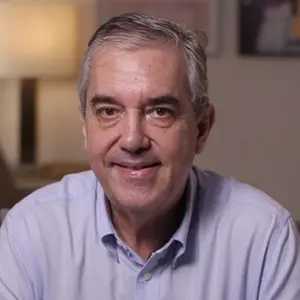
Ricardo Centeno (SP)
.
12h35-12h55
Local Case Presentation 2
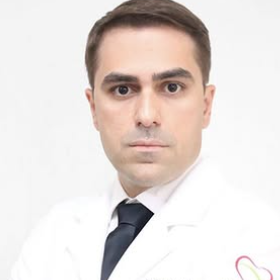
Sérgio Augusto Vieira Cançado (MG)
.
12h55-13h15
Local Case Presentation 3
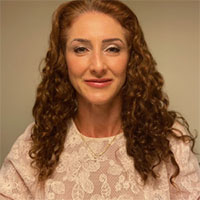
Tatiana Von Hertwing (PR)
Graduada em Medicina pela Universidade Federal do Paraná em 2004, terminou seu treinamento em neurocirurgia na Pontifícia Universidade Católica do Paraná em 2008. Passou dois anos na Cleveland Clinic como clinical fellow em Neurocirurgia Funcional e Cirurgia de Epilepsia. Defendeu seu mestrado em 2015 na Universidade Tecnológica Federal do Paraná e seu doutorado na Universidade de São Paulo de Ribeirão Preto em 2025. Atualmente é a presidente-eleita do Capítulo Brasileiro da Sociedade Brasileira de Neuromodulação e faz parte da força-tarefa de Neuromodulação e Cirurgia Minimamente Invasiva da International League Against Epilepsy (ILAE) e do Comitê de Cirurgia de Epilepsia da World Federation of Neurosurgical Societies (WFNS).
13h15-13h35
Local Case Presentation 4
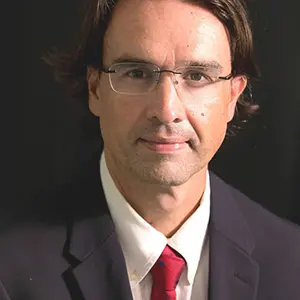
Marcelo Volpon
.
13h35-13h55
Local Case Presentation 5
Arthur Cukiert (SP)
Arthur Cukiert, MD, PhD, Director, Clinica Cukiert, Sao Paulo, Brazil
Arthur Cukiert was born in Santo Andre, Brazil in July 23rd, 1963. He graduated at Sao Paulo University in 1986 and finished his neurosurgical training at the Hospital das Clinicas of Sao Paulo University in 1991. He spent a year at the Montreal Neurologic Institute as a Clinical & Research Fellow. Back in Brazil, he worked at Sao Paulo Hospital das Clinicas, developed the Hospital Brigadeiro neurosurgical service and was a medical assistant at the ABC Faculty of Medicine in Sao Paulo. He received a PhD degree in Neurophysiology in 1996 from the Biological Sciences Institute of the Sao Paulo University and he is a Full Professor in Neurosurgery from the Sao Paulo Medical School at University of Sao Paulo. He is presently the Director of the Sao Paulo Epilepsy Clinic, and Head of its Epilepsy Surgery Program. He is part of the ILAE Pediatric Surgery Task Force, the Epilepsy Surgery Education Taskforce and the Industry Relations Taskforce. He had organized several Epilepsy Surgery Techniques Meetings over the years. He was President of the Brazilian Functional Neurosurgery Society and twice of the Brazilian Congress of Update in Neurosurgery. He iwas President of the Brazilian Neuromodulation Society and has been serving as a Fiscal Committee member of the Brazilian Neurosurgical Society for the last six years. He presented more than 400 lectures worldwide, attended to 350 meetings, presented 800 abstracts and published 150 peer reviewed papers and 10 books. His activities center on the surgical treatment of refractory epilepsy and pituitary tumors.
13h55-14h00
Key lessons, take-home messages and wrap-up (AC) for the survivors!!
12h00 às 15h00
Sala 2
SIMPÓSIO
SIMPÓSIO ABE
Programação sujeita a alterações.
Realização

Patrocinador OURO


Patrocinadores









Apoio


Responsável Técnica – Dra. Letícia P. Brito Sampaio - CRM SP 77957
Desenvolvido por: